
Welcome to Crosland Garden Services – Looking after the gardens and grounds of Wiltshire and beyond since 2009.
We offer a comprehensive garden service, from tree work to lawn care, to landscaping, garden design, maintenance and beyond!
Contact Adam Crosland on 07866314831 via Whatsapp/standard text/phone or email at adamcrosland@hotmail.co.uk
- Tree surgery
- Garden design
- Hedge cutting
- Mowing
- Garden tidy ups
- Landscaping
- Turfing
- Consultancy
To view our recent work visit HERE
Trees
We planted 90 native trees over lockdown to offset the trees that we cut down in our work. They are now currently 3 years old and can be sold as bare roots through the winter months or potted from summer through to autumn.
Silver birch, oak and beech.
£10 each.
Let me know if you would like any.
adamcrosland@hotmail.co.uk
Diary
07/12/25
Bumbling around in the rain on a Sunday morning in the woods and the fields with logs and bees is fun and hearty.
Countryside trading – http://www.adamcrosland.com
31/07/25
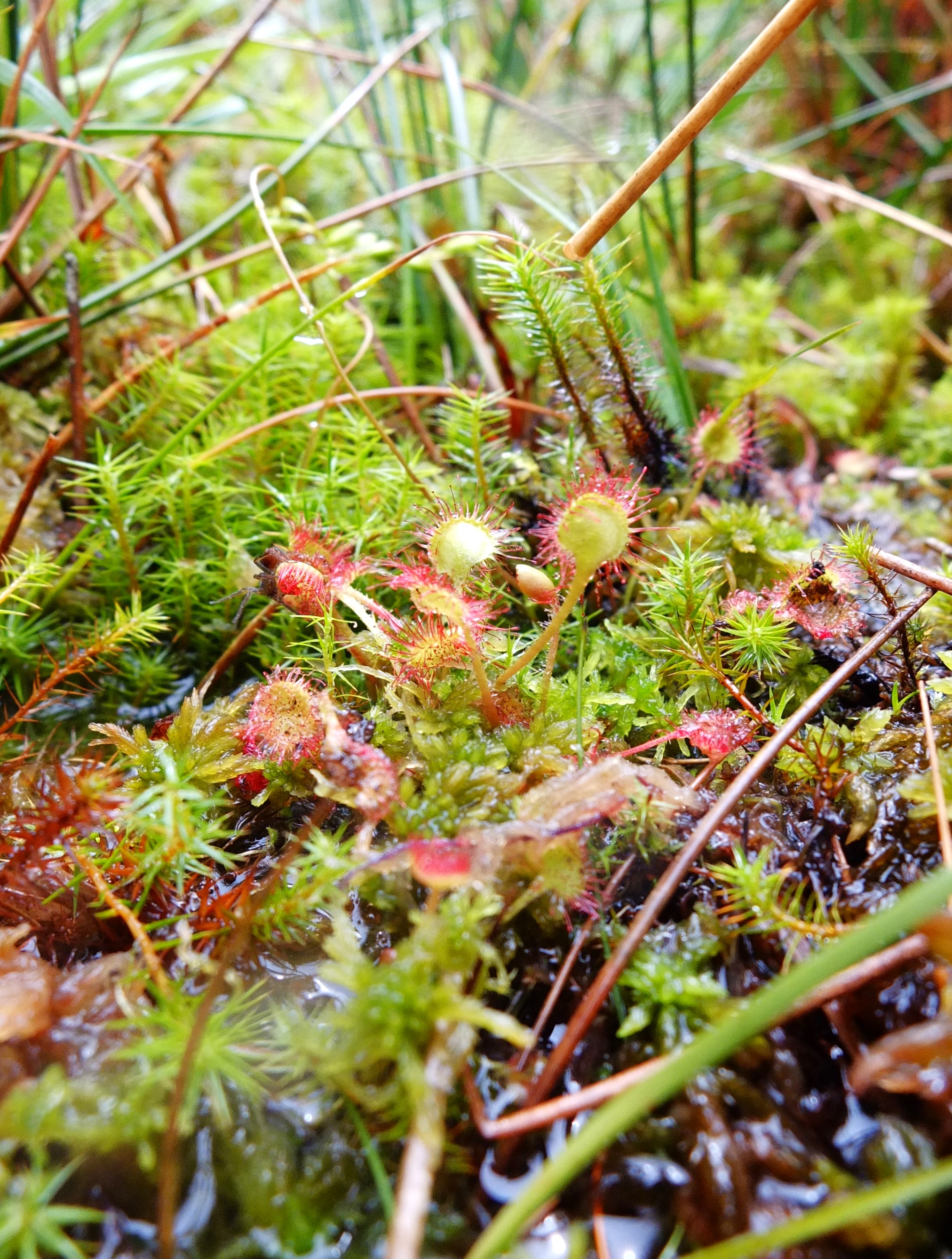
I often visit Snelsmore common near Newbury in the autumn looking for mushrooms and a few years back whilst bored and fungi-less (It was still a bit too early in the year) I ambled into a bog and somehow stumbled across these tiny carnivorous plants – I had no idea at the time that we even had sundews in the UK.
Anyway, today, rain stopped play so I decided to take Finn down to see if they were in ‘flower’. And indeed they were. The Round leaved sundew ‘Drosera rotundifolia’ is pretty rare in the UK due to it’s pretty specific needs – acid soil, bog and full sun. Luckily for these little plants, Snelsmore has a small area of peat bog in full sun towards the southeastern part of the park which is a great spot for these guys to grow.
06/07/25
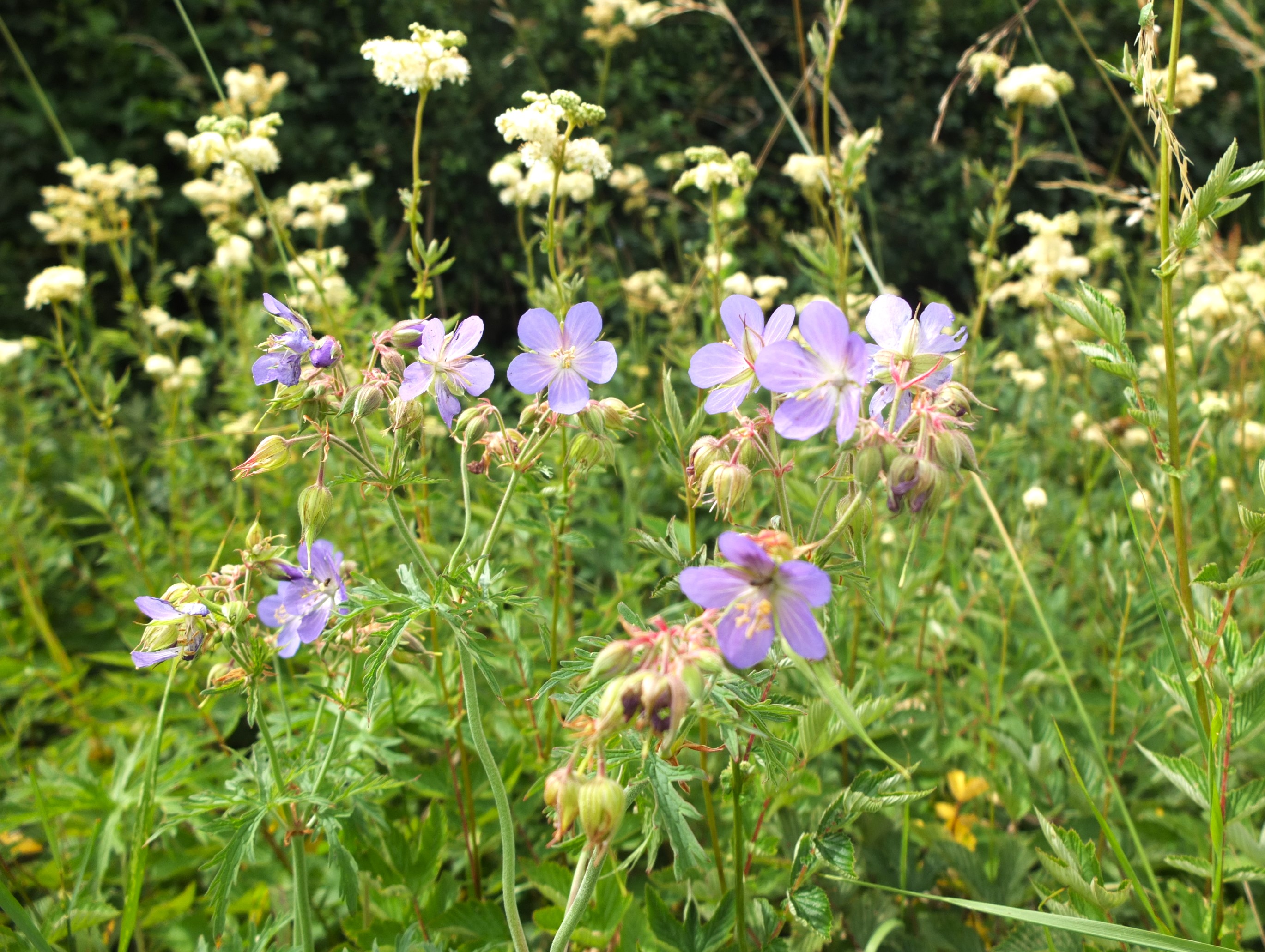
Along with Foxgloves and Ferns I would say that the Geranium family completes my triumvirate of favourite native plant species. I like things to be tough and I like things to be pretty. All these chaps and chapettes are thus.
Here’s Meadow Cranesbill ‘Geranium pratense’ which we see flowering all over the verges right by a road near you.
Look for the swathes of indigo flowers rustling amongst the grasses and other wildflowers that grow along the sidelines (Note the frothy white flowers of Meadowsweet in the background of the photo) and transitions between human infrastructure and the wild.
Two popular garden cultivars of Geranium ‘Rozanne’ and ‘Johnson’s blue’ are indeed the bastard children of the Meadow cranesbill – so as to understand their long standing usefulness within the herbaceous borders we now know of their resilient heritage.
08/06/25
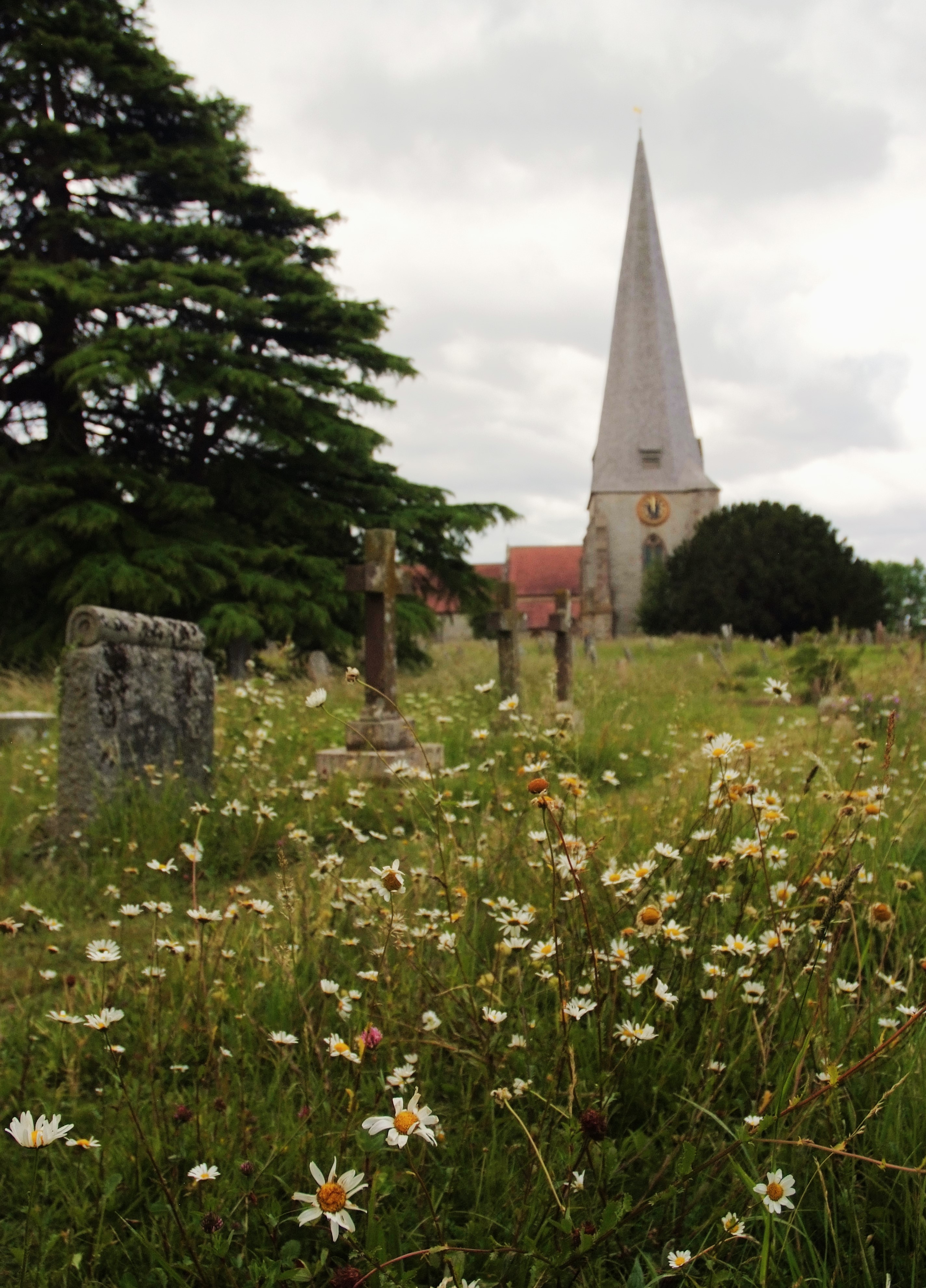
I’ve driven past the churchyard of Westbury on severn many times over the years and have always noticed the overgrown nature of the grass surrounding the graves. It’s not often you see a wildflower meadow graveyard, more often they are manicured and kept to just mown grass with a few bunches of flowers around around the stones.
Today I got the chance to have a proper look and saw a myriad of native wildflower species, including Ox-eye daisy, Bird’s foot trefoil, Cowslip, Red clover and Knapweed.
It would be interesting to see more graveyards kept in this way. It would create more diverse and beautiful yet easily managed wild areas within human environments.
29/05/25

Finn often asks me what my favourite plant is. I often reply saying a fern of some sort, maybe from the Athyrium family, but sometimes I say Foxglove -‘Digitalis purperea’ for three reasons.
The first being, it was the plant I learned to ID from age 5 as my parents thought it was important to be aware of it’s highly toxic nature juxtaposed against it’s ephemeral beauty, so as not to pick it and eat it. Secondly I like that it tends to appear randomly in places, with a simple and innocuous green rosette of leaves appearing in it’s first year before spires of trumpet shaped flowers in the second year – it’s beauty belying it’s hardiness. Thirdly because the archaic heart drug Digitalin was a synthesised version of the active toxic chemical that lies within the plant.
Digitalin was used to treat heart patients which makes sense correlating with the plant’s taxonomic name ‘Digitalis’
19/05/25

Here’s ‘Rosa rugosa’, or in the common tongue, Beach rose, an oriental shrubby rose which is commonly used in European gardens as a hedging plant.
It’s incredibly hardy and bears large pink flowers followed by big, plump, red hips, which as a kid, I remember would be split open, to expose the seeds and used as itching powder on poor innocent childlers for typical kiddy japes.
Nowadays I just look at it and consider it’s uses as a pretty decent scrambling plant for an informal country hedge.
06/05/25

Here’s Finn, holding some Cow parsley next to a small bushy Hawthorn, on a verge on Purton common, the typical habitat to find these two species of plant frothing their white flowers throughout May. ‘May’ is indeed the ‘ye olde’ name for Hawthorn due to it’s floriferous explosion during this month.
Cow Parsley, an umbellifer (not umbrella) – of which you can see where it gets that name from via it’s dome shaped flowers, is in the same family as Giant hogweed, that giant plant that burns people with it’s toxic sap and Hemlock, the poisonous plant that the ancient greeks used to execute the gadfly philosopher Socrates.
Cow parsley is itself edible though bitter, however the standard Hogweed which you can find shooting up from April onwards makes a great asparagus stand-in when young and fresh – I can vouch for this as I often forage for it during spring!
19/04/25
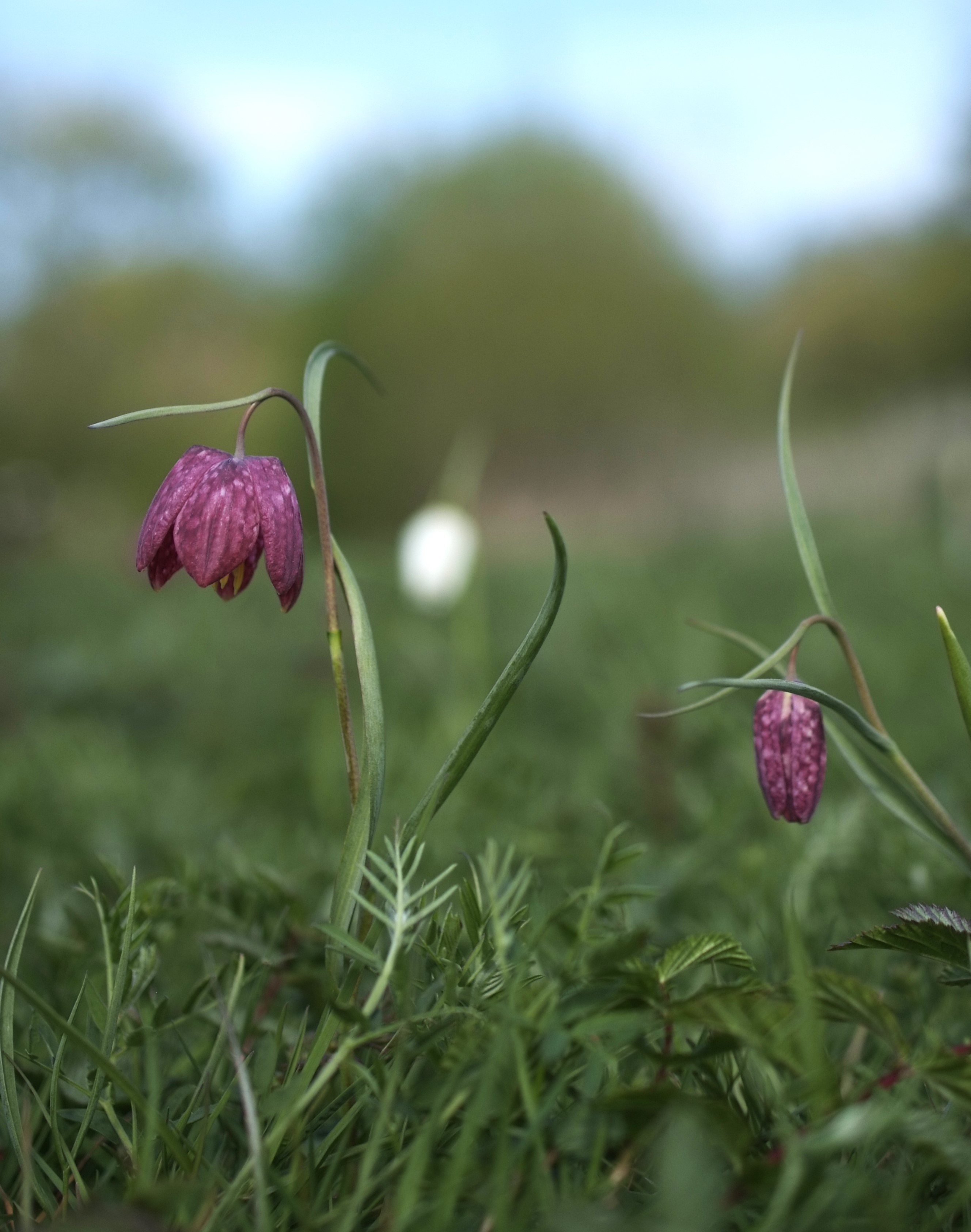
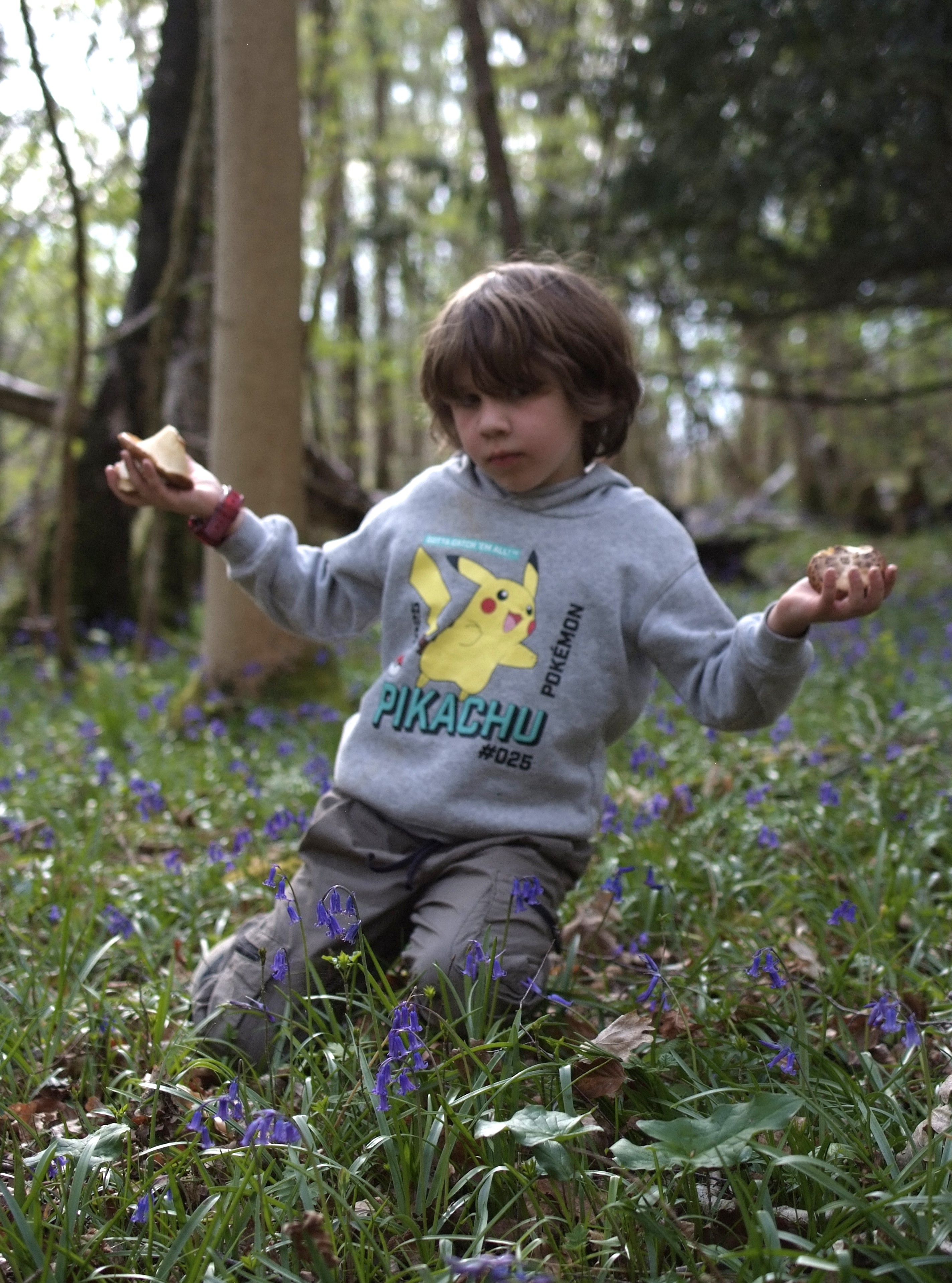
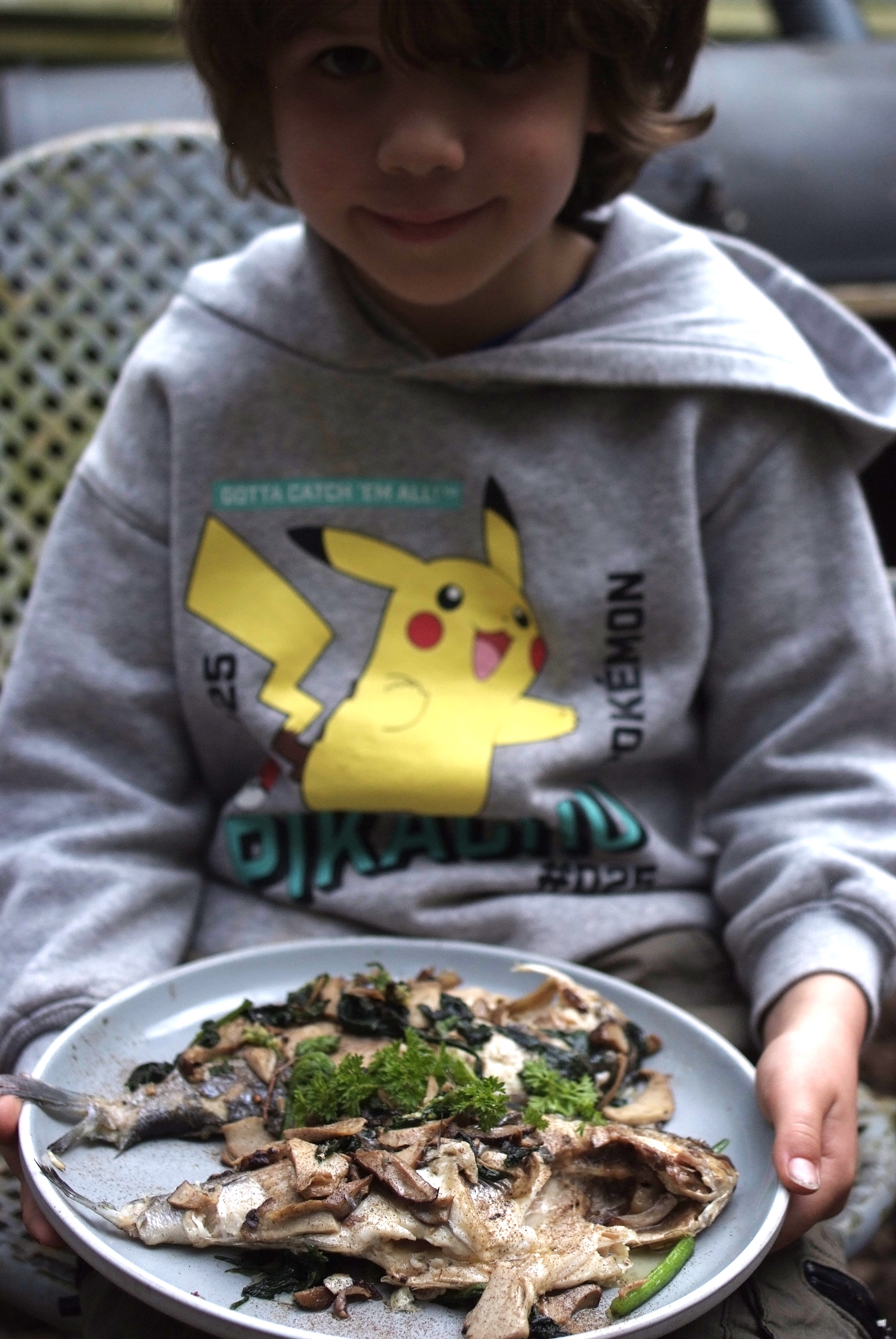
A quick jaunt to look at the Snakeshead fritillaries that reside in North meadow, Cricklade (Finn was amazed to discover that over 80% of the world population of these plants live in a meadow near his mum’s house) before heading to Siccaridge wood to look at the Bluebells and Wild garlic. Here we came across some Dryad’s saddle fungus which we collected alongside some Wild garlic to go towards a hearty dinner of Waitrose foraged Sea Bream cooked on the fire back at the woods…
09/04/25
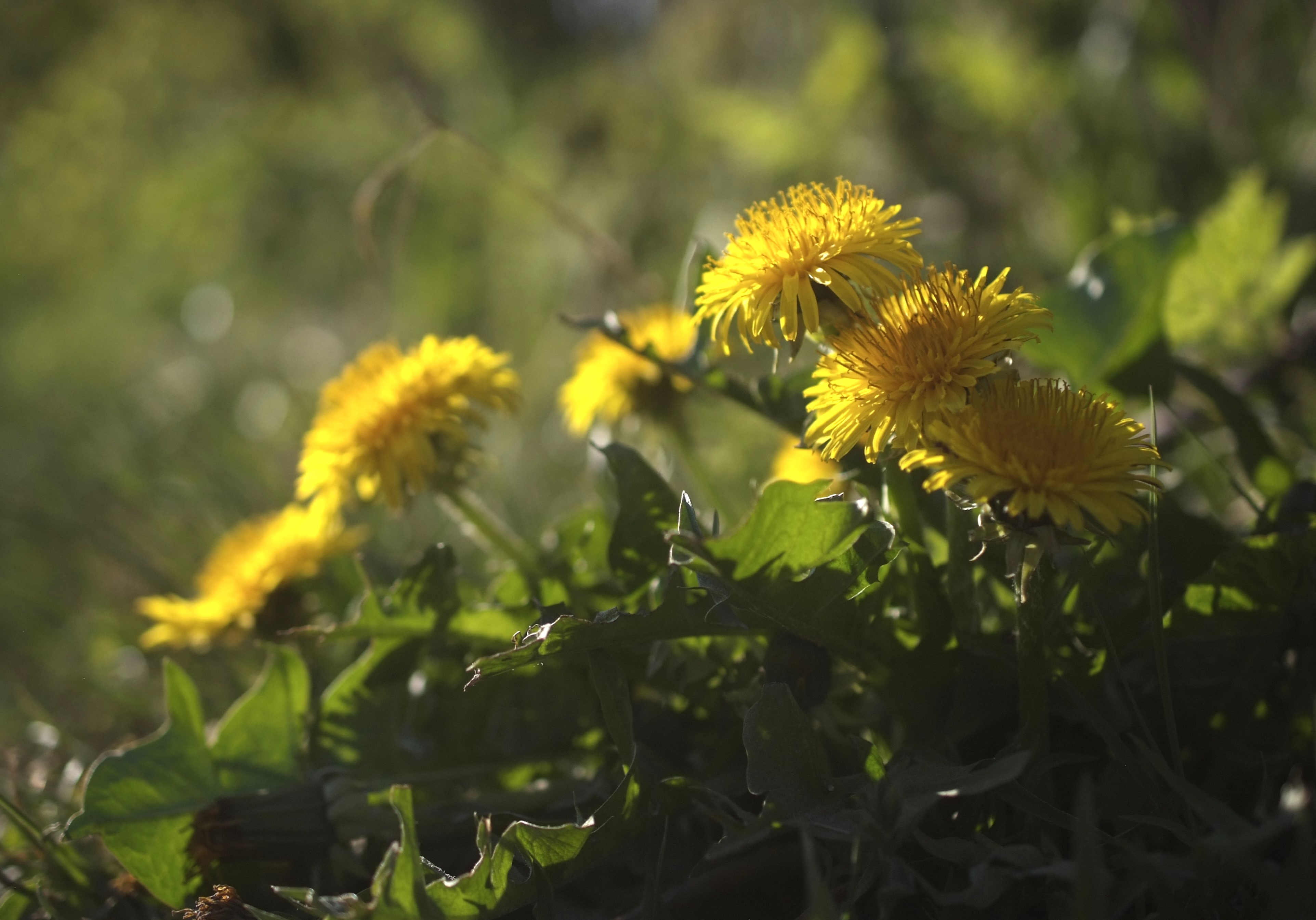
Here’s a little cluster of Dandelion’s ‘Taraxacum officinale’ growing in the verge on Purton common. I remember as a young chidler being told if I ate them i’d wet the bed. Dunno. Maybe.
You can eat them for sure. The bitter leaves are quite good in a salad but the main thing about these plants is that they are really great for pollinators, so do try and leave them be if you can – we all know them as pernicious weeds, and yes they can invade, but tame them and they will be good, i’m sure.
25/01/25
Here’s a little video of some of this week’s activities tackling some hedges and small trees in our native North Wiltshire.
We are now booking into March so get in touch before nesting season if you would like us to quote to carry out any tree or hedge work in your garden before spring.
As well as this, we are also looking for someone to come and join myself, Ben and Alex as a member of our team.
Let me know via 07866 314831 if you are fit, durable and keen to work with us in some beautiful gardens and around gnarly trees and hedges.
Adam Crosland
08/11/24
Sycamore crown reduction on Purton high street today. We are now booking into mid-December.
25/05/24
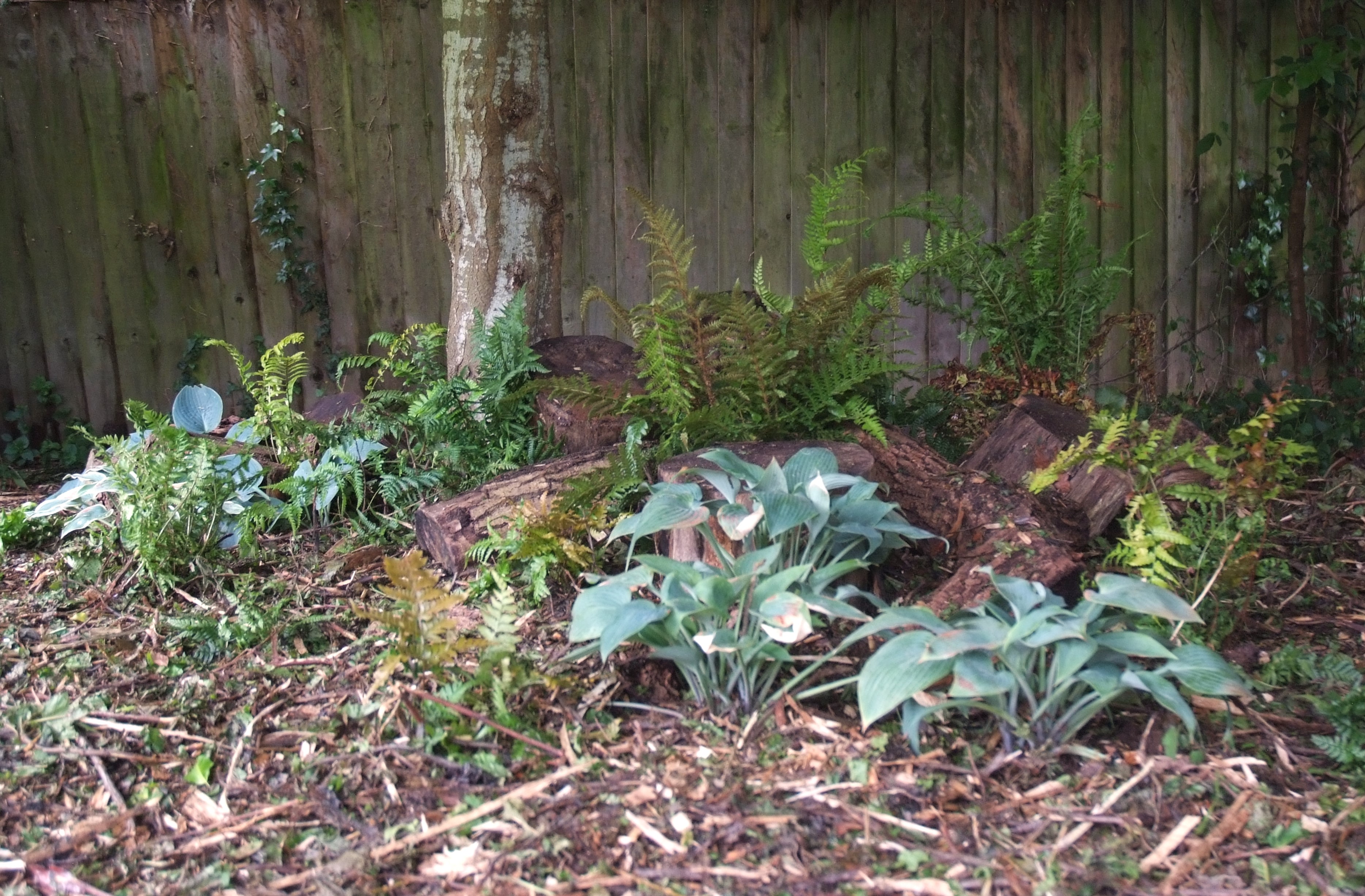
This was a satisfying planting job this morning in Purton. A tricky area under a tree that we planted up as a woodland style fernery garden. Low maintenance and structural garden design for a shady spot.
10/05/24
We had fun on the digger yesterday on this groundworking project for a regular customer in Purton.
24/04/24
Had fun on this very skinny Poplar today. Lemur Adam for my friend Rob @Ridgeway tree surgery.
21/04/24
This is the first time I have seen Early purple orchid ‘Orchis mascula’ growing alongside both Cowslips ‘Primula veris’ and Bluebells ‘Hyacinthoides non-scripta, mainly due to the preference for shade in regards to the Bluebells versus the preference for sun with the Early purple orchid and Cowslip. Bluebells do indeed ‘escape’ the constraints of the woods on the periphery of a colony but as I said I have not seen these guys grow together until now. Maybe the wet winter has something to do with the sudden need to change things up a bit. Who knows.

08/04/24
Erythronium ‘Pagoda’ – the Dog’s tooth violet growing in partial shade.
An interesting and hardy perennial bulb for easy and interesting spring colour and shape.

25/03/24
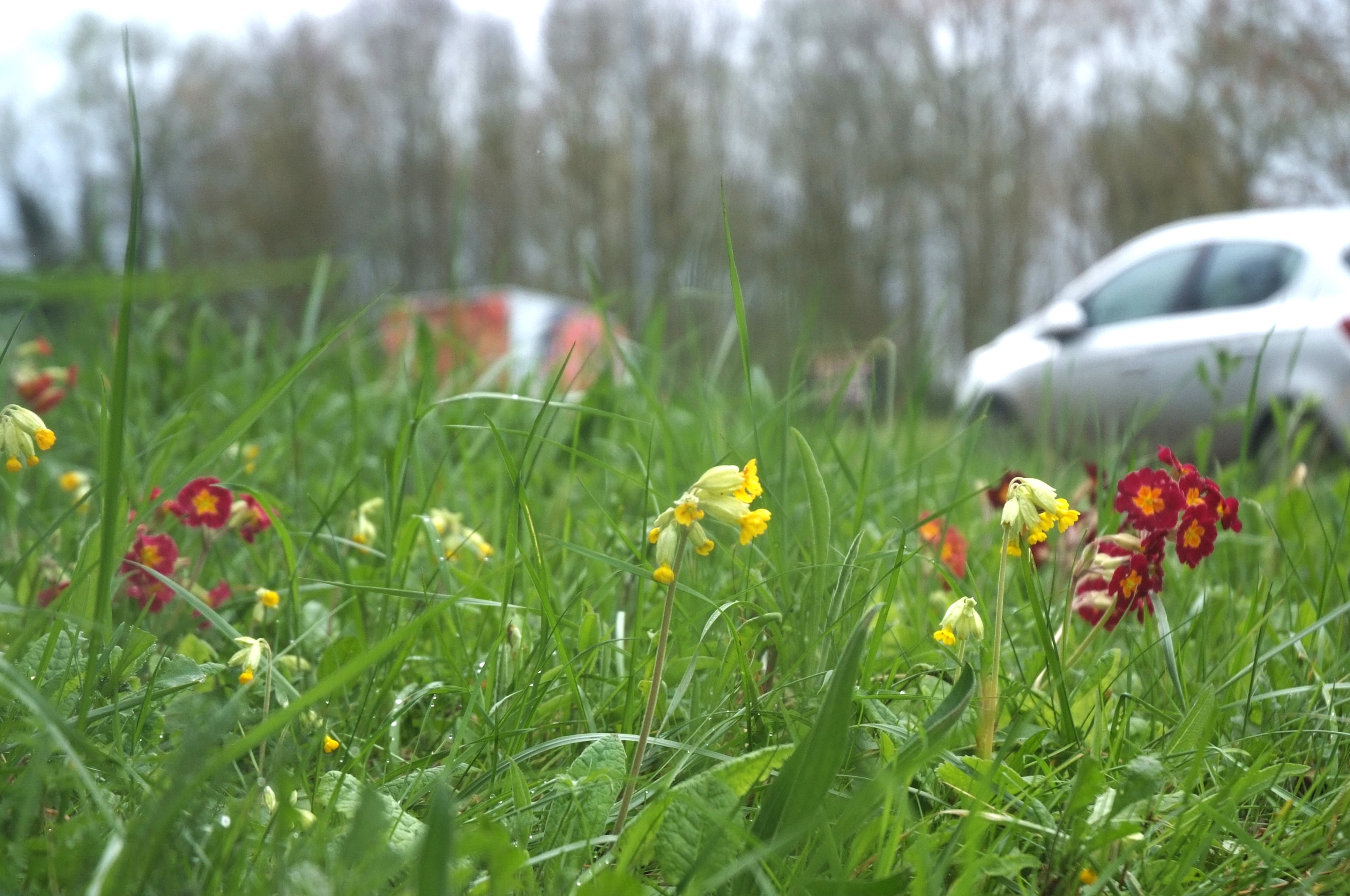
Every year when the Cowslips ‘Primula veris’ growing along the verges of the A419 appear I pick up my camera, take a snap and think about their ability to hybridize with the native Primrose ‘Primula vulgaris’ and the cultivated Polyanthus species to create the long necked and multicoloured hybrid Primula – False Oxlip ‘Primula vulgaris x veris’. And there we go, i’ve thought about it and i’ve said it again.
We are now taking on planting, border design and mowing work alongside our tree services.
 Crosland Garden Services
You must be logged in to post a comment.